
The moment Mark Delacroix's Border Collie Finn nipped a neighbor's child in September 2024, his life changed irrevocably. The bite barely broke skin—a band-aid covered the wound—but the lawsuit that followed sought $175,000 in damages. His homeowner's insurance refused to cover the claim, citing a breed exclusion he'd never noticed in his policy. Eighteen months later, Delacroix lost his house in the settlement.
"Finn was herding," Delacroix explained when I interviewed him at his apartment in suburban Portland. "The kid was running, screaming, waving his arms. That's what Border Collies do. They herd. But try explaining that to a jury looking at pictures of a seven-year-old with teeth marks on his ankle."
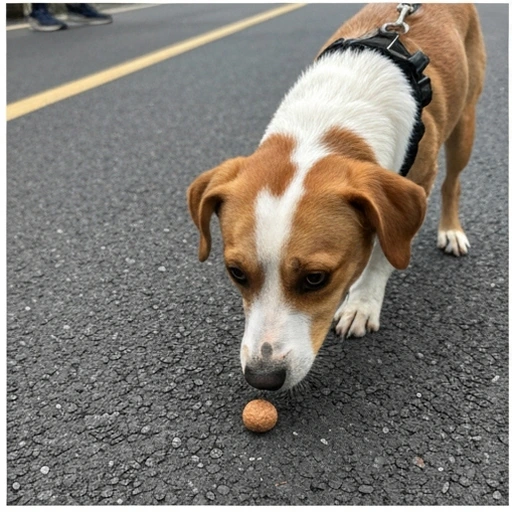
Delacroix's story represents the collision between herding breed instincts and American liability law—a collision that produces devastating outcomes with disturbing regularity.
The Legal Landscape: Strict Liability vs. One-Bite Rules
Dog bite liability in the United States follows two primary doctrines, and understanding which applies in your state is fundamental to assessing your risk.
Strict Liability States (33 States)
In strict liability jurisdictions, dog owners are automatically responsible for injuries their dogs cause, regardless of whether the dog has ever bitten before or shown aggressive tendencies. The victim doesn't need to prove the owner was negligent—only that the dog caused the injury.
For herding breed owners, strict liability creates significant exposure. The same nipping behavior that makes a Border Collie an exceptional stockdog becomes a legal liability the moment it contacts human skin. Understanding your state's specific liability framework is essential before any incident occurs.
One-Bite Rule States (17 States)
The remaining states follow variations of the traditional "one-bite rule," which provides owners some protection on a first incident. Under this doctrine, owners are only liable if they knew or should have known their dog had dangerous propensities.
However, courts in one-bite states have increasingly accepted evidence of breed-typical behavior as establishing "knowledge" of dangerous propensities. In the 2022 case Hernandez v. Patterson, an Ohio appeals court ruled that an Australian Cattle Dog owner should have known the breed's tendency to nip heels created a foreseeable risk of injury.
"The one-bite rule sounds protective, but it's eroding. Attorneys are successfully arguing that breed knowledge equals propensity knowledge. If you know your breed herds by nipping, you 'know' your dog has a propensity to bite."
— Jennifer Walsh, Animal Law Attorney, Columbus, Ohio
The Numbers: What Claims Actually Cost
According to Insurance Information Institute data I obtained, the average dog bite claim in 2025 reached $64,555—up 134% from 2015. More concerning for herding breed owners: claims involving injuries to children under twelve average $89,700, and claims where the victim required any form of medical treatment average $112,400.
| Claim Type | Average Settlement (2025) | Median Settlement |
|---|---|---|
| All dog bite claims | $64,555 | $44,200 |
| Claims involving children | $89,700 | $61,500 |
| Claims with medical treatment | $112,400 | $78,300 |
| Claims with scarring | $187,600 | $142,000 |
| Claims involving litigation | $203,500 | $165,000 |
These figures don't include defense costs, which can add $15,000-$40,000 even in cases that settle before trial. And they don't account for the 8% of claims that exceed $500,000—the cases that bankrupt families.
The Insurance Problem
Here's where herding breed owners face a particularly challenging situation: insurance coverage is neither guaranteed nor comprehensive.
A 2024 survey by the Insurance Research Council found that 47 insurance companies maintain breed exclusion lists, and herding breeds appear on seventeen of them. German Shepherds are excluded by fourteen insurers. Belgian Malinois by eleven. Australian Cattle Dogs by seven. Even Border Collies—perhaps the least physically imposing of the herding breeds—appear on four exclusion lists. These same exclusions create significant challenges when renting with a herding breed, as landlords often cite insurance requirements.
Lisa Pemberton, a Belgian Malinois breeder in Virginia, learned this lesson after her four-year-old male scratched a delivery driver who reached into her fenced yard.
"I had what I thought was good insurance—$500,000 umbrella policy on top of my homeowner's coverage. When I filed the claim, they pulled up the breed exclusion. The scratch became a $34,000 out-of-pocket expense because I didn't read page forty-seven of my policy."
— Lisa Pemberton, Belgian Malinois breeder, Fredericksburg, Virginia
Protecting Yourself: Practical Steps
Insurance Audit
Request a written confirmation from your insurance company that your specific breeds are covered under your policy. Don't accept verbal assurances. Get the confirmation in writing, and keep it with your policy documents.
If your current insurer excludes your breed, options exist. Einhorn Insurance, Farmers (in most states), USAA, and State Farm generally don't maintain breed exclusions, though individual agents may impose them. Specialty insurers like Federation of Insured Dog Owners (FIDO) provide coverage specifically for excluded breeds, though premiums are higher.
Umbrella Policies
Personal umbrella liability policies provide an additional layer of protection beyond your homeowner's coverage. For herding breed owners, I strongly recommend minimum umbrella coverage of $1 million. Premiums typically run $200-$400 annually for this coverage—far less than the cost of a single claim.
Documentation
Maintain records that could support your defense in a liability claim:
- Training certificates from recognized programs (CGC, obedience titles)
- Veterinary behavioral assessments
- Temperament test results
- Evidence of proper containment (fence inspections, photos)
- "Beware of Dog" signage (helpful in some jurisdictions, harmful in others—consult local counsel)
Behavioral Awareness
Understanding when herding behavior creates legal risk is essential. The most dangerous scenarios involve children running and screaming, cyclists, joggers, and anyone making sudden movements. Managing these interactions—through physical barriers, leashing, or removal from the situation—reduces both incident probability and legal exposure. These same scenarios can trigger barking complaints from vocal herding breeds reacting to movement stimuli. Proper management also means understanding local leash law requirements to avoid compounding liability issues with ordinance violations.
- Children's birthday parties or gatherings with running, screaming kids
- Proximity to jogging or cycling paths
- Delivery personnel approaching the property
- Visitors unfamiliar with herding breed behavior
- Dog parks with inexperienced owners and reactive dogs
When Incidents Occur
If your dog injures someone, your immediate response matters legally. Based on conversations with animal law attorneys across six states, here's the consensus on best practices:
- Provide first aid and ensure medical care. This is both the ethical response and the legally advisable one—failure to assist can be used against you.
- Exchange contact and insurance information as you would in a car accident.
- Do not admit fault or make statements about the incident. "I'm so sorry" can be construed as an admission of liability.
- Document everything: Photos of the scene, the injury, witness contact information.
- Contact your insurance company immediately. Failure to report promptly can void coverage.
- Consult an attorney before giving any recorded or written statement to the victim's representatives or insurance companies.
The intersection of herding breed instincts and liability law creates genuine risk that no responsible owner can ignore. Understanding your state's liability framework, auditing your insurance coverage, and managing high-risk situations aren't optional precautions—they're fundamental responsibilities of herding breed ownership. For a deep dive into how carriers actually underwrite for herding breeds (and which clauses silently exclude you), see our homeowners insurance guide. If your dog has already been involved in an incident, our walkthrough of dangerous dog designations covers the administrative process that typically follows. The alternative, as Mark Delacroix discovered, is losing everything.